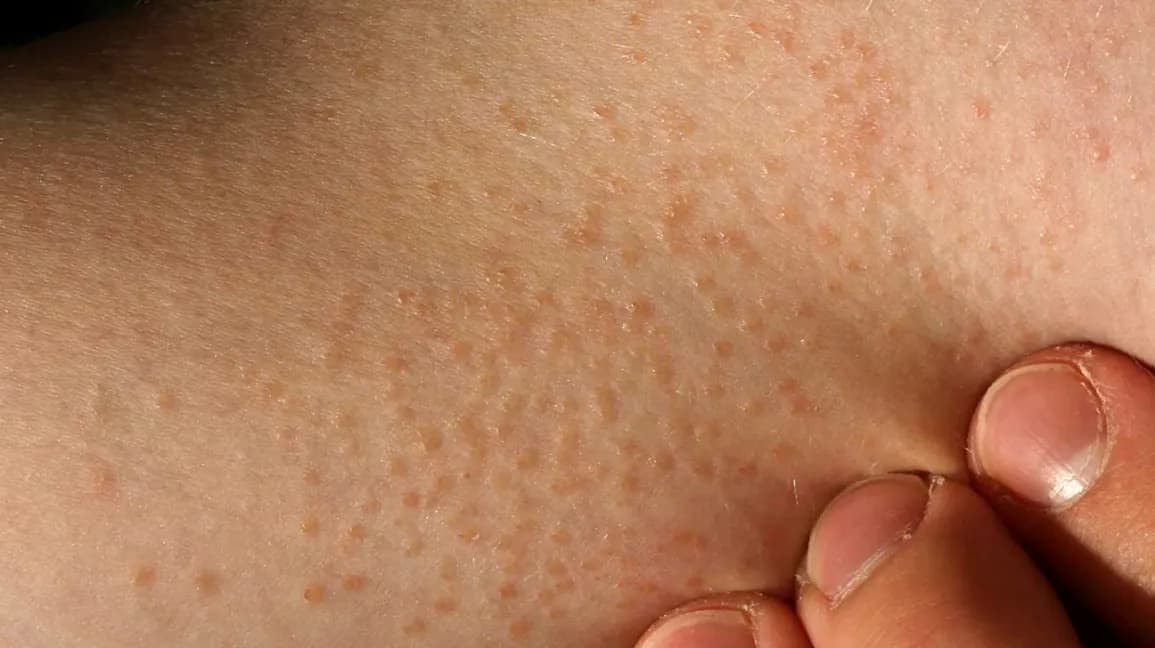
Lichen nitidus is a rare, usually benign skin condition characterized by small, shiny papules (bumps) that are typically skin-colored or slightly pink. Although the rash appears unusual, this condition generally poses no health threat and often resolves on its own. However, if the rash is widespread, itchy, or causes aesthetic discomfort, it is advisable to consult a dermatologist for an accurate diagnosis and the most appropriate care plan.
What is Lichen Nitidus?
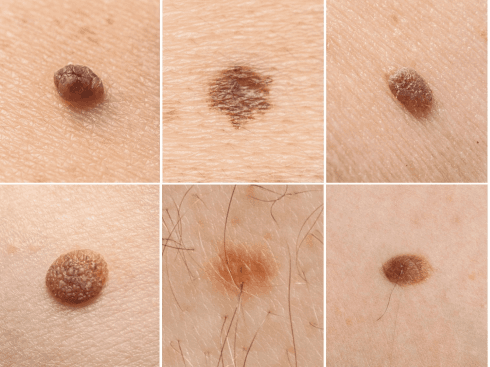
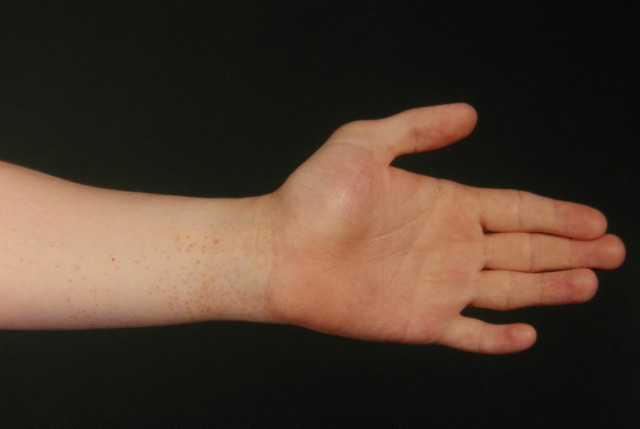
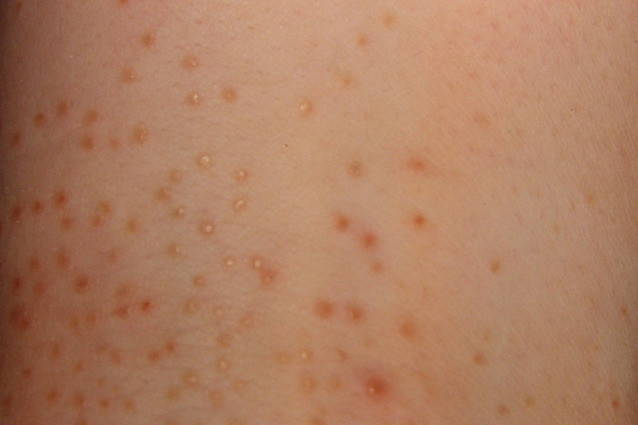
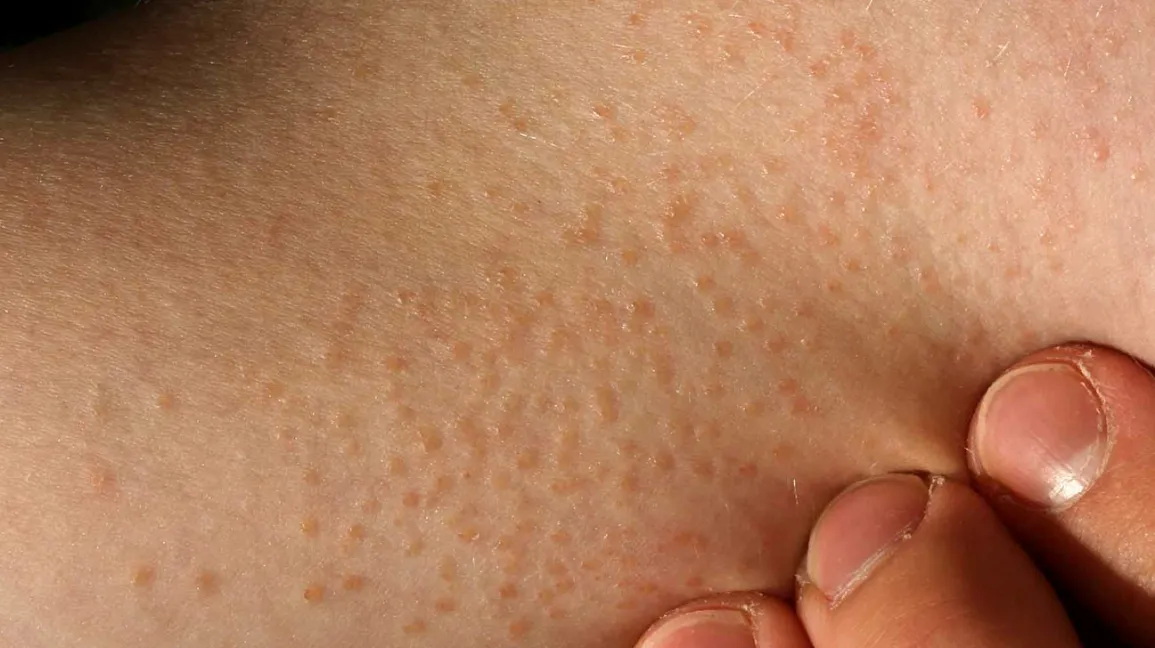
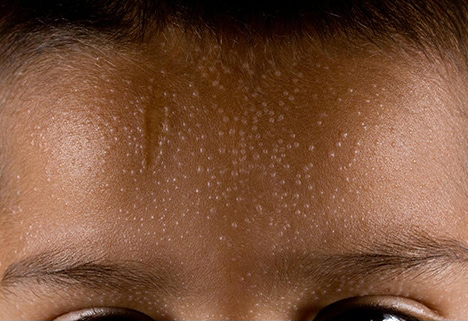
Lichen nitidus is an inflammatory skin disease where very small (usually 1–2 mm in size), round papules with a smooth surface and subtle shine form on the skin. It is more common in children and young adults but can occur in all age groups. The papules may cluster into groups or lines (sometimes appearing in areas where the skin is irritated by friction or scratches), most commonly on the chest, abdomen, forearms, hands, and genital area. In rarer cases, lichen nitidus affects the mucous membranes or nails.
This condition is not contagious, does not result from poor hygiene, and is not malignant. It typically has a self-limiting course, with the rash disappearing over several months or years without special treatment and not leaving scars.
Causes and Risk Factors
The exact cause of lichen nitidus is not fully understood. It is believed that an immune system reaction to skin cells or external irritants plays an important role. In some individuals, the condition may occur due to individual predisposition or genetic factors.
Possible predisposing factors include:
- Age – more common in children and young adults;
- Immune system characteristics – sometimes diagnosed alongside other inflammatory or autoimmune skin diseases (e.g., lichen planus, atopic dermatitis);
- Skin barrier sensitivity – dry, easily irritated skin;
- Mechanical factors – friction, scratches, pressure can provoke new papules in those areas (known as the Koebner phenomenon).
Lichen nitidus is not associated with infection and is not transmitted from person to person. No specific lifestyle factors have been identified that directly cause this condition.
Symptoms
The main symptom is small, pearl-like shiny papules. They:
- are very small (about the size of a pinhead), round, with a smooth and flat surface;
- are usually skin-colored, sometimes pink, brown, or slightly darker than the surrounding skin;
- tend to cluster – forming small islands or lines;
- more commonly appear on the chest, abdomen, forearms, hands, genital area, less often on mucous membranes, face, or legs;
- are generally painless; itching is usually mild or not noticeable, but some patients may experience moderate itching.
In rarer cases, nails may be affected – showing roughness, ridges, nail brittleness. On mucous membranes (such as in the mouth), rashes are less typical and may appear as small whitish or grayish patches.
After the rash disappears, slight skin color changes (lighter or darker spots) may temporarily remain, which tend to even out over time.
When to See a Doctor?
A dermatologist consultation is recommended if:
- you are unsure about the cause of the rash or it is spreading rapidly;
- the rash is extensive, causes severe itching, or interferes with daily life;
- changes are observed in mucous membranes, palms or soles, or nails;
- the rashes do not disappear within 6–12 months or periodically recur;
- there are noticeable skin color changes or marks causing aesthetic discomfort;
- you have other skin or immune conditions that require an accurate assessment of the situation.
iDerma dermatologists help accurately diagnose, assess the spread of the disease, and create an individual, safe care and, if necessary, treatment plan. Consultations are available in person at the clinic and remotely.
Diagnosis
Diagnosis is usually based on examination: an experienced dermatologist can suspect lichen nitidus based on the size, shine, and typical distribution of the papules. In atypical cases or to rule out other diseases, additional tests may be performed:
- dermoscopy – skin examination with a special magnifying light device to assess surface structures;
- skin biopsy – taking a very small skin sample and examining it under a microscope; it helps confirm the diagnosis and differentiate from similar conditions (e.g., lichen planus, flat warts, keratosis pilaris, etc.).
The biopsy result usually shows characteristic histological features that confirm lichen nitidus. The procedure is performed under local anesthesia, making it quick and minimally painful.
Treatment
Most patients do not require specific treatment, as the rashes tend to disappear on their own over several months or years without leaving scars. Treatment is prescribed when symptoms cause discomfort (e.g., significant itching), the rashes are extensive, or cause psychological, aesthetic discomfort.
Possible treatment goals and measures include:
- controlling inflammation and itching – applying topical anti-inflammatory treatment, soothing care, individually selected skin barrier-restoring cosmetic therapy;
- reducing skin dryness and irritation – regular use of emollients, gentle daily care;
- phototherapy – in selected cases, treatment with controlled ultraviolet light has been used for more extensive or persistent rashes (evidence is limited to case series);
- individually planned symptom relief solutions – for example, if itching disrupts sleep quality or sensitive areas are affected;
- improving psychological comfort – clear explanation of the benign course of the disease, realistic expectation setting, assistance in managing stress caused by the skin condition.
A dermatologist consultation in person or online helps quickly clarify the diagnosis, assess the specifics of the skin condition, and select the most appropriate, safe treatment plan. iDerma specialists prepare individual care plans, considering age, skin type, symptom severity, and lifestyle.
Care and Prevention
While there is no specific prevention that completely protects against lichen nitidus, proper daily skin care helps manage symptoms and protect the skin barrier:
- constantly moisturize the skin with emollients – especially after washing, while the skin is still slightly damp;
- choose mild, fragrance-free cleansers; avoid hot water and intense scrubbing;
- opt for loose, breathable (e.g., cotton) clothing to reduce friction in sensitive areas;
- avoid scratching – keep nails short, use doctor-recommended measures if itching occurs;
- protect the skin from excessive sun exposure; if considering the benefits of natural sunlight, consult a dermatologist first – uncontrolled UV exposure can do more harm than good;
- manage stress and maintain sleep hygiene – psychological comfort often helps alleviate subjective skin symptoms.
Recurrent rashes are not uncommon, but they are usually temporary. If the rash recurs or you notice new, atypical signs, it is worth reviewing the care plan with a dermatologist.